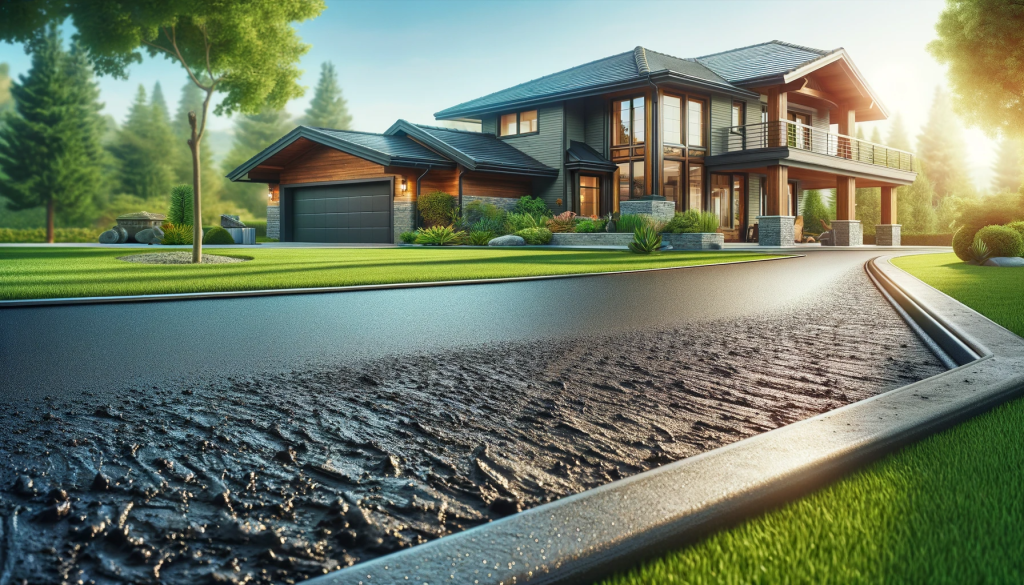
While the allure of a pristine driveway might seem to contrast starkly with the gruelling task of selecting the right materials, it's essential to remember that the beauty of your tar driveway in Hillcrest actually lies in this very choice.
You're not just selecting materials; you're investing in your property's value, aesthetic appeal, and your peace of mind. In fact, the right materials can make the difference between a driveway that lasts a few years and one that withstands the test of time.
This guide will help you navigate this crucial decision with ease, whether you're installing a new driveway or refurbishing an existing one.
But before we delve into the various popular materials, let's start with understanding the basics of a tar driveway.
Understanding Driveway Basics
Before you dive into choosing materials for your tar driveway, it's crucial to grasp the basics of driveway construction and maintenance. A well-planned driveway design doesn't only enhance the curb appeal of your property, but it also significantly boosts its value. Yes, aesthetics are important, but functionality and durability should be at the forefront of your planning.
Your driveway design should consider factors like the size, shape, and slope of your property. You can't ignore local building codes either. These factors influence the installation process greatly, dictating the necessary prep work, the amount of materials required, and the time it'll take to complete the project.
Speaking of the installation process, it's not just about spreading tar over a flat surface. There's a lot more to it. First, the ground needs to be properly prepared. This involves removing any grass or debris, leveling the surface, and compacting the soil. Then, a layer of crushed stone is laid for drainage and to provide a solid base. Only after these steps are done can the tar be applied.
Understanding these basics is the first step in making an informed decision about your driveway.
Popular Tar Driveway Materials
When it comes to selecting materials for your tar driveway, you'll find several popular options that offer both aesthetic appeal and durability.
Firstly, hot mix asphalt is a common choice due to its smooth finish and resistance to wear. It's both practical and pleasing to the eye, thus covering the material aesthetics aspect. However, keep in mind that it requires regular maintenance to retain its good appearance.
For an eco-friendly option, you may want to consider recycled asphalt. It's made from reclaimed road materials, making it a sustainable choice. It's just as durable as hot mix asphalt and can provide a similar aesthetic appeal.
Alternatively, you might opt for tar-and-chip, which combines tar with aggregate stones. This creates a rustic and natural-looking driveway, a unique aesthetic that many homeowners appreciate.
Lastly, there's permeable asphalt. This eco-friendly option allows water to seep through the surface and into the ground below, reducing runoff and promoting groundwater recharge. It may not offer the smooth finish of hot mix asphalt, but it's a great choice if you're keen on environmental sustainability.
Weighing Cost and Durability
As you decide on the best material for your tar driveway, it's crucial to balance cost with durability. Material selection plays a significant role in this equation.
Here's a 4-point guide to help you make an informed choice:
- Initial Cost: Asphalt is generally less expensive upfront, but concrete, while pricier, tends to last longer. Consider your budget and how much you're willing to invest initially.
- Maintenance Cost: Asphalt requires more frequent maintenance, which adds to the overall cost. Concrete, on the other hand, is more resilient and requires less upkeep.
- Longevity: Despite the higher initial cost, concrete is more durable and can last up to 30 years with proper care. Asphalt, though cheaper, only lasts around 20 years.
- Climate: In colder climates, asphalt can withstand freeze-thaw cycles better than concrete. However, concrete is a better choice in hot climates, as it doesn't soften in the heat as asphalt does.
A cost comparison doesn't only involve the initial outlay; you must look at the long-term costs too. The more durable the material, the less you'll have to spend on repairs and replacement, so keep these factors in mind when choosing.
Considering Hillcrest's Climate
Given Hillcrest's unique climate, it's vital to select driveway materials that can withstand its specific weather conditions. Your driveway's weather durability is crucial as it needs to resist the climate variations in Hillcrest.
Hillcrest's weather can be unpredictable, with scorching summers and icy winters. Hence, the material you opt for should be resilient enough to endure these extreme conditions. Tar, for instance, is known for its flexibility and adaptability. It won't crack in harsh winters or melt in the summer heat, making it an ideal choice.
While considering the weather durability of your driveway, don't forget about the monsoon rains. The material you select must be able to efficiently drain water, preventing pooling which could lead to structural damage. Tar can effectively handle this as well, being water-resistant and providing excellent drainage.
Maintenance and Longevity Factors
Beyond weather durability, it's also essential to think about how much effort you're willing to put into maintaining your driveway and how long you'd like it to last. Your tar driveway's longevity and maintenance are closely linked to two key factors: sealant selection and drainage planning.
- Sealant Selection: Choosing the right sealant can significantly extend your driveway's lifespan. High-quality sealants provide a protective layer against harsh weather and wear and tear, keeping your driveway looking fresh for longer.
- Regular Maintenance: Even the best sealants can't do it all. Regular cleaning and minor repairs are necessary to maintain your driveway's integrity.
- Drainage Planning: A well-planned drainage system prevents standing water, which can cause cracks and potholes in your driveway over time.
- Professional Installation: Lastly, consider hiring professionals for the installation. They've the expertise to ensure proper sealant application and drainage planning.
Frequently Asked Questions
What Are Some Eco-Friendly Alternatives to Conventional Tar for My Driveway?
You're considering alternatives to traditional tar for your driveway. Some eco-friendly options include permeable concrete, recycled asphalt, or resin-bound paving. These green driveway choices reduce costs and allow rainwater to permeate, preventing runoff.
Are There Any Local Hillcrest Regulations or Permits Needed for Driveway Construction?
Yes, you'll need to check local Hillcrest zoning restrictions and acquire necessary permits for driveway construction. It's crucial you're aware of permit costs and regulations to avoid penalties and ensure a smooth project.
How Can the Aesthetic Appeal of My Driveway Be Enhanced Without Compromising Its Durability?
You can enhance your driveway's aesthetic appeal without sacrificing durability by incorporating driveway lighting and using color combinations. These elements can make your driveway visually pleasing, while maintaining its robustness.
What Are Some Precautionary Measures to Take During the Installation Process of a Tar Driveway?
When embarking on your tar driveway journey, don't overlook drainage planning and installation safety. They're key to avoiding a 'bumpy ride'. Ensure proper slope for water runoff and always employ protective gear.
Can I Install a Tar Driveway by Myself, or Should I Hire a Professional?
While you can install a tar driveway yourself, consider the DIY costs and equipment necessities. It's often more cost-effective and less hassle to hire a professional, ensuring a high-quality, durable finish for your driveway.